

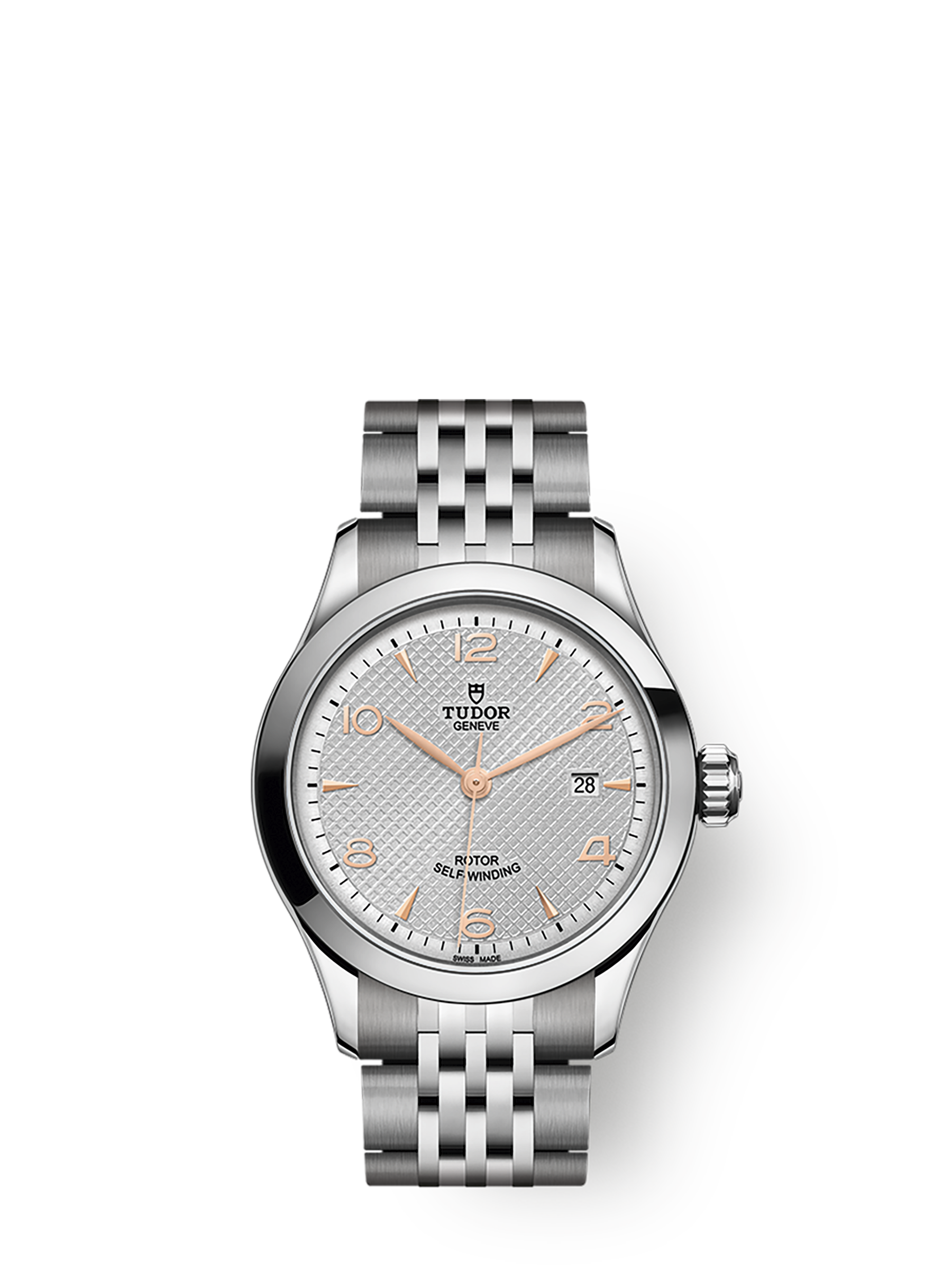
Omega Seamaster 300 vs Tudor 1926
Ref. 234.32.41.21.01.001 vs Ref. M91350-0001
Comparing the Tudor 1926 to the Omega Seamaster 300 means weighing a significant price difference — is the premium justified? At $5,900 versus $2,175, these two watches serve different segments of the market. Here's how they stack up on specifications, value retention, and investment potential.
Price Comparison
Omega
Seamaster 300
Tudor
1926
At retail, the Omega Seamaster 300 is listed at $5,900 while the Tudor 1926 comes in at $2,175. The Tudor 1926 comes in at $3,725 less — more than half the price difference — making it a significantly more accessible option. On the secondary market, the gap narrows: the Omega Seamaster 300 trades around $4,720 and the Tudor 1926 around $1,740, a difference of $2,980 favoring the Tudor 1926. Available at 20% below retail and trending downward, this represents a buying opportunity for those comfortable with the current market position. The Tudor 1926 shows a more modest market premium of -20.0%, though currently trending downward. Both watches score equally on flip potential at 2/10, making neither a clear investment winner over the other.
Specifications
| Specification | Omega Seamaster 300 | Tudor 1926 |
|---|---|---|
| Case Diameter | 41mm | 36mm |
| Case Thickness | 13.85mm | 9.5mm |
| Case Material | Stainless steel | Stainless steel |
| Bezel | Black ceramic unidirectional rotating bezel with liquidmetal diving scale | Stainless steel, polished with ridge detail |
| Crystal | Domed sapphire crystal with anti-reflective treatment | Sapphire crystal |
| Water Resistance | 300m / 1000ft | 100m / 330ft |
| Movement | Omega Co-Axial Master Chronometer calibre 8912 | Tudor Calibre T601 |
| Movement Type | Automatic | Automatic |
| Power Reserve | 55 hours | 38 hours |
| Bracelet/Strap | Black and grey NATO strap | Stainless steel bracelet |
| Clasp | Steel buckle | Folding clasp with safety catch |
| Lug Width | 20mm | 19mm |
Key specification differences stand out between these two: The Omega Seamaster 300 leads in water resistance (300m / 1000ft vs. 100m / 330ft), and the Omega Seamaster 300 offers longer power reserve at 55 hours. With 7 notable spec differences in total, the choice depends on which features matter most to your use case.
Value Per Feature
Per millimeter of case diameter, the Omega Seamaster 300 costs $115 versus $48 for the Tudor 1926. For water resistance, the Omega Seamaster 300 delivers better value per meter of depth rating. The Tudor 1926 offers more power reserve per dollar spent.
Which Should You Buy?
Choose the Omega Seamaster 300 if you value serious diving capabilities. Go with the Tudor 1926 if you prioritize a lower entry price.
Frequently Asked Questions
Which is more affordable, the Omega Seamaster 300 or the Tudor 1926?
The Tudor 1926 is more accessible, priced at $2,175 compared to $5,900.
Which holds its value better on the secondary market?
The Tudor 1926 currently trades at 20.0% below retail, indicating moderate value retention on the pre-owned market.
How do the Omega Seamaster 300 and Tudor 1926 compare in size?
The Omega Seamaster 300 measures 41mm in diameter and 13.85mm thick, while the Tudor 1926 is 36mm by 9.5mm. Water resistance differs too: 300m / 1000ft versus 100m / 330ft.
What movements do these watches use?
The Omega Seamaster 300 uses the Omega Co-Axial Master Chronometer calibre 8912 with 55 hours power reserve, while the Tudor 1926 runs on the Tudor Calibre T601 offering 38 hours of power reserve.